


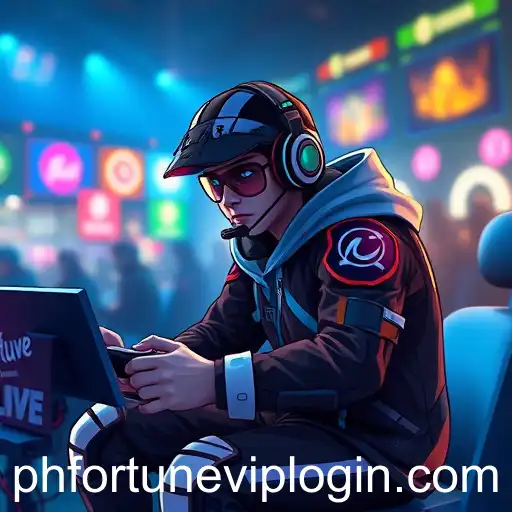
As we delve deeper into the dynamics of the online gaming world, platforms such as 'phfortune' are becoming hubs of innovation and cultural impact. In 2025, the gaming industry continues to expand rapidly, offering new opportunities and challenges for players and developers alike. Whether it's through cutting-edge graphics, immersive storylines, or the robust virtual economies that characterize today's online games, the landscape is continuously evolving.
The year 2025 sees not only advancements in game mechanics but also in how virtual economies are managed and monetized. Developers are leveraging blockchain technology to create decentralized gaming ecosystems, offering players greater control over their in-game assets. 'Phfortune', in particular, is at the forefront, integrating cryptocurrency transactions that allow gamers to trade and sell virtual goods for real-world value.
In an era where eSports is becoming a mainstream phenomenon, the influence of gaming on broader societal trends is undeniable. Gaming is no longer a solitary activity; it has transformed into a vibrant community culture with international tournaments, live-streamed events, and even college scholarships. The intersection of eSports and traditional sporting events is reshaping how entertainment is consumed globally.
As discussions around digital rights and data security continue to gain traction, the gaming industry is facing increased scrutiny. With platforms like 'phfortune', there is a growing emphasis on transparency and fair play, ensuring user data is protected while giving players equitable opportunities to succeed in virtual realms.
The dynamic landscape of online gaming is also creating economic opportunities beyond traditional game development. Content creation, streaming, and competitive gaming are just a few avenues that are providing viable career paths for young people worldwide. Amidst this digital revolution, staying informed and adaptable remains crucial.
As 'phfortune' and similar platforms continue to drive innovation in the gaming industry, they offer a glimpse into the future of digital interaction—a future where the lines between reality and virtuality are increasingly blurred.